Why Does Caulk Turn Black in the Bathroom? Proven Fixes
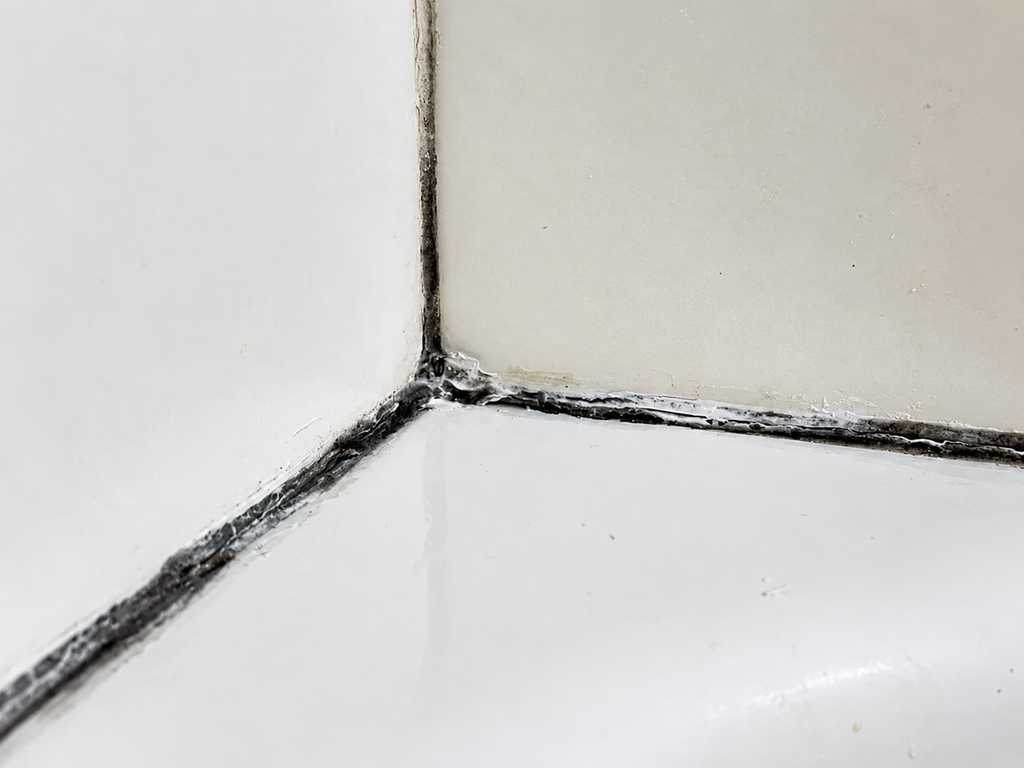
If you’re wondering, why does caulk turn black in the bathroom, the most common reason is persistent moisture that creates favorable conditions for mold or mildew growth. This is especially common around showers, bathtubs, and other areas that are frequently exposed to water.
Black discoloration does not always mean the caulk itself has failed. However, if the dark growth keeps returning, the caulk is cracked or separated, or moisture has gotten behind the seal, cleaning alone may not solve the problem. In those situations, removing the damaged caulk and addressing the moisture source may be necessary.
Why Does Caulk ture Turn Black in the Bathroom? Quick Facts
| Problem | What It Usually Means |
| Black spots on caulk | Possible mold, mildew, or staining |
| Main cause | Persistent moisture and slow drying |
| Common locations | Shower corners, bathtub edges, and tile joints |
| Mold underneath caulk | The seal may have failed and allowed moisture behind it |
| Best first step | Find and control the moisture source |
| Cleaning | May work for superficial growth on suitable hard surfaces |
| Replacement | Often appropriate when caulk is damaged or growth is underneath |
| Prevention | Better ventilation, drying, cleaning, and prompt repairs |
| Urgency | Usually a maintenance issue, but recurring moisture should be investigated |
The U.S. Environmental Protection Agency (EPA) identifies moisture control as a key part of preventing and controlling indoor mold. Cleaning visible mold without correcting the moisture problem can allow it to return.
What Does Black Bathroom Caulk Mean?
Black discoloration around bathroom caulk is often associated with mold or mildew, but color alone cannot confirm exactly what caused the staining.
Caulk is commonly used to seal joints where different bathroom surfaces meet, such as a bathtub and wall or a shower surface and another finished material. These joints are repeatedly exposed to water, humidity, condensation, and cleaning products.
When the area remains damp for extended periods, mold and mildew become more likely to develop. Poor ventilation can make the problem worse because moisture takes longer to leave the room.
Black caulk commonly appears around:
- Shower corners
- Bathtub edges
- Shower doors
- Tile-to-tub joints
- Areas with cracked or separating caulk
- Bathroom surfaces that remain damp after showering
In many cases, black caulk is a relatively minor maintenance problem. The bigger concern is when discoloration is accompanied by damaged sealant or evidence that water is getting behind the joint.
How to Identify Moldy or Damaged Bathroom Caulk
Before deciding whether to clean or replace the caulk, inspect the area carefully.
Signs that may indicate a mold or moisture problem include:
- Small black or dark spots that gradually spread
- Discoloration concentrated around wet areas
- Dark patches that return after cleaning
- Cracked or split caulk
- Caulk pulling away from tile, a bathtub, or another surface
- Dark material appearing underneath or behind the seal
- A persistent musty smell
- Water remaining around the joint for long periods
Pay particular attention to where the discoloration is located.
If the dark material appears to be beneath the caulk rather than simply sitting on its surface, there may be moisture behind the seal. That situation usually requires more than surface cleaning.
What Causes Caulk to Turn Black?
1. Persistent Moisture
Moisture is the most common reason bathroom caulk develops dark growth.
Showers and baths introduce water vapor and liquid water into the room. If surfaces do not dry adequately, damp conditions can persist around caulk joints.
The EPA explains that controlling moisture indoors is one of the most important ways to control indoor mold growth.
2. Poor Bathroom Ventilation
Bathrooms need effective ventilation because showers can quickly increase humidity.
An exhaust fan that does not remove enough moist air can leave the bathroom damp for longer. The EPA recommends using bathroom exhaust fans and venting moisture-generating activities to the outdoors.
If your bathroom regularly stays steamy long after showering, ventilation may be part of the problem.
3. Cracked or Failed Caulk
Caulk is designed to seal a joint and accommodate some movement between surfaces. Over time, it can crack, shrink, peel, or lose adhesion.
Once the seal is damaged, water can enter areas that should remain dry. This can contribute to recurring discoloration and moisture problems.
4. Poor Drying
Even when there is no obvious leak, repeatedly leaving shower surfaces wet can contribute to persistent moisture around caulk.
Bathrooms with limited airflow, small windows, ineffective exhaust fans, or frequent shower use may take longer to dry.
5. Moisture Behind the Caulk
This is one of the most important causes to investigate when black discoloration keeps returning.
If water has reached the area behind the caulk, applying fresh sealant over the existing material may simply cover the visible problem. The old caulk may need to be removed so the joint can be inspected and properly dried.
6. Infrequent Cleaning
Soap residue, dirt, and other bathroom buildup can accumulate around caulk lines. This does not necessarily cause mold by itself, but dirty surfaces can make discoloration harder to identify and maintain.
Regular cleaning also makes it easier to notice cracks and other early signs of seal failure.
How to Fix Black Bathroom Caulk
The best solution depends on whether the discoloration is superficial or whether the caulk itself has deteriorated.
Clean Superficial Growth
If the caulk is still intact and the discoloration is limited to the surface, cleaning may be appropriate.
The EPA recommends cleaning mold from hard surfaces with detergent and water and then drying the surface completely.
Avoid simply covering moldy caulk with a new layer of sealant. The EPA specifically advises against caulking moldy surfaces before the mold has been cleaned and the surface dried.
Cleaning may remove superficial growth, but it will not solve an ongoing moisture problem.
Replace Damaged Caulk
Replacement is usually more appropriate when the caulk is:
- Cracked
- Peeling
- Loose
- Separating from the surface
- Permanently discolored
- Showing signs of growth underneath
- No longer forming a continuous seal
The old caulk should be removed, the underlying area addressed, and the surfaces allowed to dry thoroughly before new sealant is applied.
The goal is to create a clean, dry surface rather than trapping moisture underneath fresh caulk.
Fix the Moisture Source
If black discoloration repeatedly comes back, focus on the reason the area stays damp.
Check whether:
- The bathroom remains humid for long periods
- The exhaust fan effectively vents outdoors
- Water collects around the tub or shower
- The caulk has separated
- A plumbing leak may be present
- Water could be getting behind tile or another finished surface
If moisture is not controlled, even newly installed caulk can eventually develop the same problem. The EPA recommends fixing water problems and leaks and drying affected areas completely.
Black Caulk vs. Other Bathroom Problems
| Problem | Common Clue | Typical Response |
| Surface mold or mildew | Dark spots on exposed caulk | Clean and improve moisture control |
| Mold beneath caulk | Dark growth appears underneath or behind seal | Remove failed caulk and investigate |
| Dirt or staining | General discoloration without obvious growth | Clean the surface |
| Cracked caulk | Visible splits or gaps | Replace damaged caulk |
| Water leak | Persistent unexplained wetness | Identify and repair the leak |
| Damaged grout | Missing or crumbling grout | Repair or replace damaged grout and assess moisture |
These problems can also occur together. For example, deteriorated caulk may allow water behind a shower joint, which can then contribute to recurring mold or mildew.
How to Prevent Bathroom Caulk From Turning Black
The most effective prevention strategy is moisture control.
Improve Ventilation
Use an effective bathroom exhaust fan during moisture-producing activities and allow it to remove humid air from the room afterward.
If the bathroom remains humid for a long time despite using the fan, the ventilation system may need inspection or improvement. The EPA specifically recommends venting bathrooms to the outside and using exhaust fans to reduce indoor humidity.
Let Shower Areas Dry
After showering, avoid leaving unnecessary standing water around the tub, shower edges, and other joints.
Allowing surfaces to dry helps reduce the amount of time that caulk remains exposed to moisture.
Inspect Caulk Regularly
Look for small cracks, gaps, peeling edges, or areas where the caulk has pulled away from the surface.
Replacing deteriorated sealant before water gets behind it can help prevent more complicated moisture problems.
Control Indoor Humidity
The EPA recommends keeping indoor relative humidity below 60%, with 30% to 50% being an ideal general range when possible.
A bathroom that remains excessively humid can benefit from better ventilation and moisture management.
Keep Bathroom Surfaces Clean
Regular cleaning helps prevent buildup and makes it easier to notice new discoloration or damaged caulk.
However, cleaning should not replace repairs when the seal itself has failed.
Don’t Caulk Over Mold
This is an important rule.
If mold is present, address the affected area and the moisture problem before applying new caulk. Covering the discoloration does not remove the underlying cause.
The EPA advises homeowners to clean up mold and dry surfaces before caulking or painting.
When Should You Call a Professional?
Black bathroom caulk is often something homeowners can address as part of normal maintenance. However, professional help may be appropriate when the problem appears to involve more than the surface seal.
Contact a qualified professional if:
- There is significant or recurring water damage
- Mold growth extends beyond a small area
- You suspect moisture is trapped behind walls or tile
- There is an active plumbing leak
- You cannot determine the source of the moisture
- The affected area is difficult to clean safely
- The bathroom has experienced sewage or contaminated-water damage
According to the EPA, homeowners can generally handle mold cleanup when the affected area is less than about 10 square feet. Larger areas or substantial water damage may require professional assessment.
If you are unsure whether the issue is simply damaged caulk or a larger moisture problem, having the area assessed can prevent repeated repairs.
How Much Does Bathroom Caulk Repair Cost?
There is no single reliable price for bathroom caulk replacement because the total cost depends heavily on the size of the area, accessibility, existing caulk, labor rates, and whether hidden moisture or water damage is discovered.
A small, straightforward caulk replacement is very different from a project that requires repairing damaged surfaces or investigating a leak.
For that reason, homeowners should get a local quote before budgeting for professional work rather than relying on a universal price.
If the work involves a suspected plumbing leak, concealed water damage, or extensive mold, the cost can also increase because additional repair or inspection may be required.
Frequently Asked Questions
Why does caulk turn black in the bathroom?
Caulk commonly turns black because persistent moisture creates favorable conditions for mold or mildew growth. Poor ventilation, damaged caulk, standing water, and moisture behind the seal can all contribute.
Is black caulk always mold?
No. Black discoloration can have different causes, and appearance alone cannot confirm that it is mold. However, persistent dark growth in a damp shower or bathtub area should be investigated as a possible mold or moisture problem.
Can you clean black mold off bathroom caulk?
Sometimes. If the growth is superficial and the caulk remains intact, cleaning may be effective. If the caulk is deteriorated or the growth appears underneath it, replacement may be more appropriate.
Why does mold keep coming back on shower caulk?
Recurring mold usually means the moisture conditions have not been corrected. Better ventilation, proper drying, and repairing leaks or failed caulk can be more effective than repeatedly cleaning the visible growth.
Should I remove black caulk and replace it?
Replace caulk when it is cracked, loose, separated, deteriorated, or appears to have mold underneath it. New caulk should be applied only after the underlying area has been properly addressed and dried.
How can I prevent bathroom caulk from turning black?
Control bathroom moisture, use effective ventilation, allow shower surfaces to dry, clean regularly, and repair damaged caulk promptly. Preventing prolonged dampness is the most important step.
Is mold underneath caulk serious?
Mold underneath caulk can indicate that moisture has gotten behind the seal. It does not automatically mean there is major hidden damage, but recurring growth should be investigated rather than repeatedly covered or cleaned.
How often should bathroom caulk be replaced?
There is no universal replacement schedule for every bathroom. Caulk should generally be replaced when it becomes cracked, separated, deteriorated, or unable to maintain a reliable seal.
Final Takeaway
So, why does caulk turn black in the bathroom? In most cases, persistent moisture is the main reason, with poor ventilation, slow drying, damaged caulk, and moisture behind the seal contributing to the problem.
If the discoloration is superficial and the caulk is intact, cleaning and improving moisture control may be enough. If the caulk is cracked, separating, or blackened from underneath, replacing the seal and investigating the source of moisture is a better approach.
The key is to treat the cause, not just the black spots. Keeping the bathroom dry, maintaining effective ventilation, and repairing failed caulk early can help keep those dark marks from returning.